
Table of Contents
Overview
Refurbished servers are a cost-effective and environmentally friendly solution for businesses looking to optimize IT costs. The refurbishment process includes inspection, repairs, and testing, ensuring high quality. When choosing, it's essential to consider the purpose, specifications, and warranty.
Related product

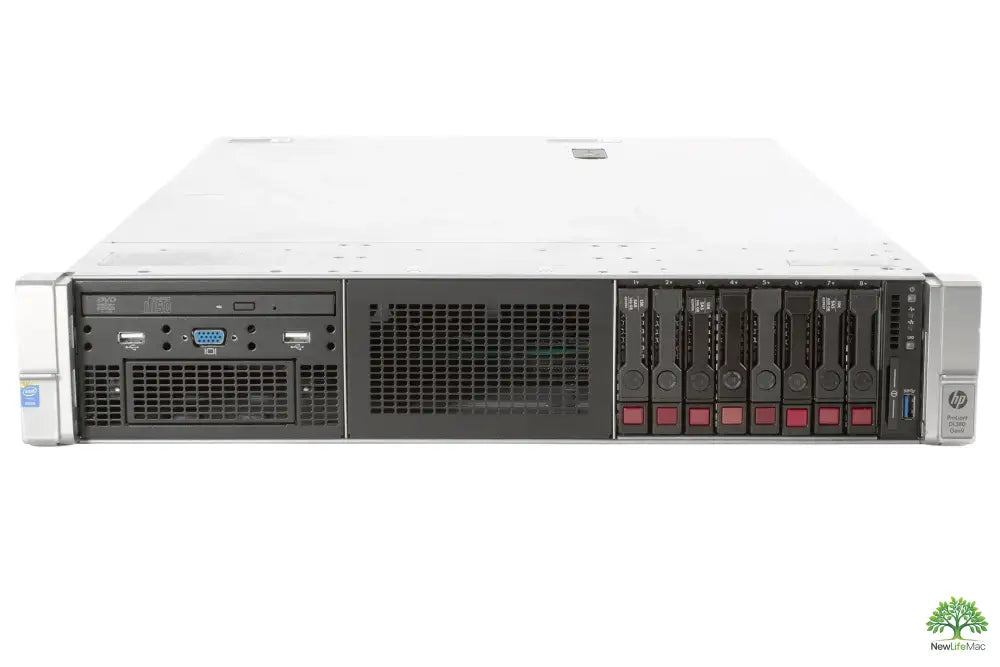
HP ProLiant DL380 G9 2U Rack Server - Intel Xeon E5-2609 v3, 64GB RAM
The HP ProLiant DL380 G9 2U Rack Server is designed for demanding enterprise applications and data centers, featuring an Intel Xeon E5-2609 v3 processor and 64GB of RAM. It is suitable for virtualization, databases, and critical business applications that require high reliability and performance. The server also includes HP iLO management and redundant power and cooling for enhanced operational efficiency.
View productRefurbished servers are a topic that has recently come to the forefront, especially with the growing emphasis on sustainability and the economic use of technology. Many companies are looking for effective solutions, and refurbished servers are becoming increasingly attractive. In this article, we will take a detailed look at how the server refurbishment process works and what it entails.
What is a refurbished server?
A refurbished server is a server that has been returned to the manufacturer or reseller after a period of use. These servers are then carefully inspected, repaired, and restored to a condition that allows them to function safely and efficiently. Refurbished servers can offer excellent value for money for businesses looking for a reliable IT solution without having to invest in brand new equipment.
Why choose refurbished servers?
There are several reasons why you should consider refurbished servers. Here are some key advantages:
- Cost savings: Refurbished servers are significantly cheaper than new ones, meaning significant savings for your business.
- Eco-friendly solution: Refurbishing servers helps reduce electronic waste, contributing to environmental protection.
- Reliability: Most refurbished servers undergo thorough testing and rehabilitation, ensuring their high quality.
- Flexibility: A server for virtualization can be an ideal solution for companies that need an easily scalable IT environment.
How does the refurbishment process work?
The server refurbishment process involves several steps that ensure their quality and performance. This process is typically as follows:
- Return and collection: Servers are first returned by customers who no longer wish to use them.
- Inspection: Each server is thoroughly examined by technicians who assess its condition and identify potential problems.
- Repair and parts replacement: After inspection, repairs are carried out, such as replacing damaged components, upgrading to faster processors, or replacing hard drives.
- Testing: Every refurbished server must undergo rigorous testing to ensure it meets all performance and quality standards.
- Certification: After successful testing, the server is certified as refurbished and ready for sale.
Which servers are typically refurbished?
In the refurbished server market, you'll find a wide range of models and manufacturers. Here are some of the most commonly refurbished models:
| Model | Type | Suitability |
|---|---|---|
| DELL R640 | Rack server | Ideal for virtualization and custom applications. |
| Dell T7810 | Workstation server | Suitable for compute-intensive tasks such as CAD and video editing. |
| Refurbished iMac | Convenient desktop | Great for creative work and office applications. |
| Refurbished servers in general | Various models | Wide range of uses in offices and data centers. |
How to choose the right refurbished server?
When choosing a refurbished server, it's important to consider several factors:
- Purpose of use: Consider what kind of server for virtualization you need. Each server is suitable for a different type of task.
- Specifications: Make sure the selected model has sufficient power and capacity for your needs.
- Warranty: Always inquire about the warranty and support offered by the seller for refurbished servers.
Where to buy refurbished servers?
When buying refurbished servers, it's important to find a reliable seller. There are many online stores that specialize in refurbished IT equipment. Choose only those with a good reputation and positive customer reviews. Sellers like New Life Mac offer a wide range of refurbished servers and guarantee their quality. Additionally, you should also look for sellers who offer a warranty and technical support options.
Final thoughts on refurbished servers
Refurbished servers represent a smart and efficient solution for businesses looking to optimize their IT costs. The refurbishment process is thorough and ensures that each server is in perfect condition, ready for a new phase of its "life." When choosing a refurbished server, it's important to assess your needs and select a model that is optimal for your situation. With the right choice and a high-quality refurbished server, you can significantly reduce your business costs while maintaining high performance and reliability. Consider refurbished servers, such as the DELL R640 or Dell T7810, and discover the possibilities they can offer you!
Key takeaways
- Cost savings: Refurbished servers are significantly cheaper than new ones, saving a company's budget.
- Eco-friendly solution: Refurbishment contributes to environmental protection by reducing electronic waste.
- Reliability: Most refurbished servers undergo thorough testing, ensuring their high quality.
- Flexibility: Refurbished servers are ideal for companies that need an easily scalable IT environment.
- Certification: After successful testing, servers are certified and ready for sale.
- Important factors when choosing: Consider the purpose of use, specifications, and warranty when selecting a refurbished server.
- Reliable sellers: When purchasing, look for sellers with a good reputation and positive reviews.
Pros and Cons
| Advantages | Disadvantages |
|---|---|
| Cost savings on IT equipment. | Potentially shorter lifespan compared to new servers. |
| Eco-friendly solution reducing electronic waste. | Limited choice of models and specifications. |
| High reliability due to thorough testing. | Need for a trustworthy seller to ensure quality. |
| Flexibility and easy scalability for businesses. | Possibility of older technologies that may not meet modern standards. |
Glossary
| Term | Meaning |
|---|---|
| Refurbished server | A server returned to the manufacturer, repaired, and put back into service. |
| Eco-friendly solution | An approach that reduces electronic waste and protects the environment. |
| Cost savings | Lower price of refurbished servers compared to new ones. |
| Inspection | Thorough examination of a server to identify problems. |
| Repair and parts replacement | Actions taken to restore server functionality, including replacing components. |
| Testing | Verifying the performance and quality of a refurbished server. |
| Certification | Confirmation of meeting standards for refurbished servers. |
Share:
High-performance refurbished servers for demanding applications
Apple Mac mini for efficient work with refurbished models